


Who are we?
The Food Security and Nutrition Working Group (FSNWG) is a regional platform, currently co-chaired by ICPAC and FAO. It’s goal is two-fold: to provide an up-to-date food security and nutrition situation analysis (early warning) and to offer a forum to build consensus on critical issues facing policy and interventions. The FNSWG has served regional governments, donors, and non-governmental agencies since the early 2000’s. Current membership includes approximately 80 organisations (IGAD, UN agencies, NGOs, donors, and research institutions) who contribute to the operation of the working group, and its nutrition, markets, food security information, livestock and pastoralist sub-groups.

Featured Updates

FSNWG Special Report on El Niño
- The ongoing El Niño episode is forecast to strengthen over the coming months and persist through ea…

Food Security and Nutrition Update May-June 2026
Key messages
- In June 2026, over 54.4 million people in 10 of the 13 countries covered by the FSNWG w…

Food Security and Nutrition Update: January - February 2026
Key messages
- In February 2026, over 67.5 million people in 10 of the 13 countries covered by the FSN…

Alert on Below-Average Rains Across the Horn of Africa - December 2025
Key messages
- The October-December 2025 rainy season has essentially failed across much of Somalia, e…
Browse Updates
Filter by Update Type
Filter by Year
Filter by Month
Showing 73 results

FSNWG Regional Desert Locust Impact Assessment Report
The Food Security and Nutrition Working Group (FSNWG) recently conducted a regional Desert Locust (DL) impact assessment in Ethiopia, Kenya, Somalia, and Uganda, during which 10,831 agricultural respondents living in DL-affected areas were interviewed . …
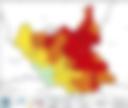
Food Security Statement August 2020
An estimated 26.2 million people in 7 of the 13 countries covered by the FSNWG in the Eastern and Central Africa Region are currently severely food insecure (IPC2 Phase 3+), and require urgent food assistance. …

IGAD Food Security and Nutrition Response Strategy
The compounding impacts of climatic shocks, conflict and insecurity, adverse macro-economic shocks, desert locust invasion and the COVID-19 pandemic, together with protracted food insecurity from past shocks will likely lead to a food security crisis …
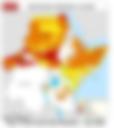
Food Security Statement July 2020
- COVID-19 cases continue to rise across the region, leading to the loss of lives, disruptions to livelihoods and slowing down of national economies. The combined impacts of the COVID-19 pandemic, desert locust invasion, macro-economic crises, …

Regional focus on IGAD Member States, 2020 Global report on Food Crisis
In 2019, 135 million people faced acute food insecurity that required urgent action (IPC/CH Phase 3 or above) in 55 countries and territories analysed across the world, according to the Global Report on Food Crises …
Nearly 28 million people were already food insecure before COVID-19 in the IGAD region
Nairobi / Djibouti, 4th June 2020: An estimated 27.6 million people across the IGAD region were classified in Crisis or worse (IPC Phase 3+) levels of acute food insecurity in 2019. This figure represents 20% …