


ICPAC Strengthens Capacity of National Meteorological and Hydrological Services Gender Focal Points to Advance Inclusive Climate Services Across the IGAD Region
Nairobi, Kenya | 13–15 July 2026
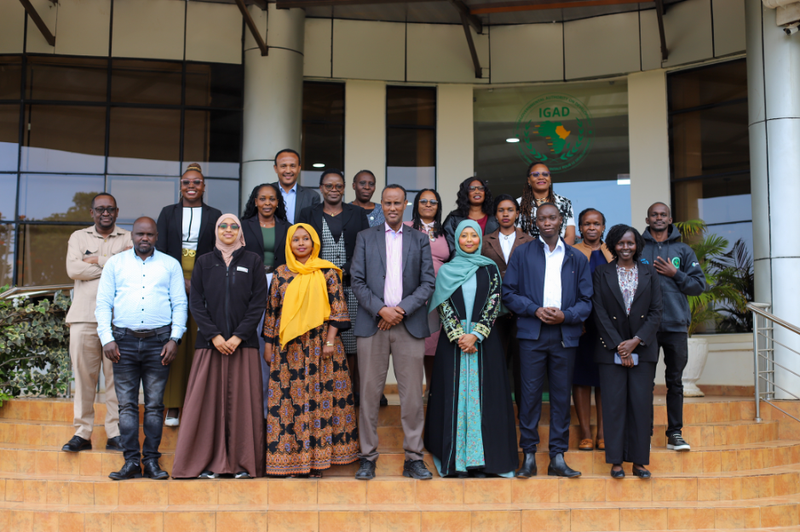
The IGAD Climate Prediction and Applications Centre (ICPAC) successfully convened a three-day Regional GEDSI Capacity Strengthening Workshop for National Meteorological and Hydrological Services (NMHS) Gender Focal Points on Inclusive Climate Services and Early Warning Systems from 13–15 July 2026 at the ICPAC headquarters in Nairobi, Kenya. The workshop was implemented under the FCDO-funded WISER Pan-African Seasonal Strengthening - East Africa (PASS-EA) Project.
The workshop brought together NMHS Gender Focal Points from Djibouti, Ethiopia, Kenya, Somalia, South Sudan, Sudan and Uganda to strengthen the integration of Gender Equality, Disability and Social Inclusion (GEDSI) into climate services and early warning systems.
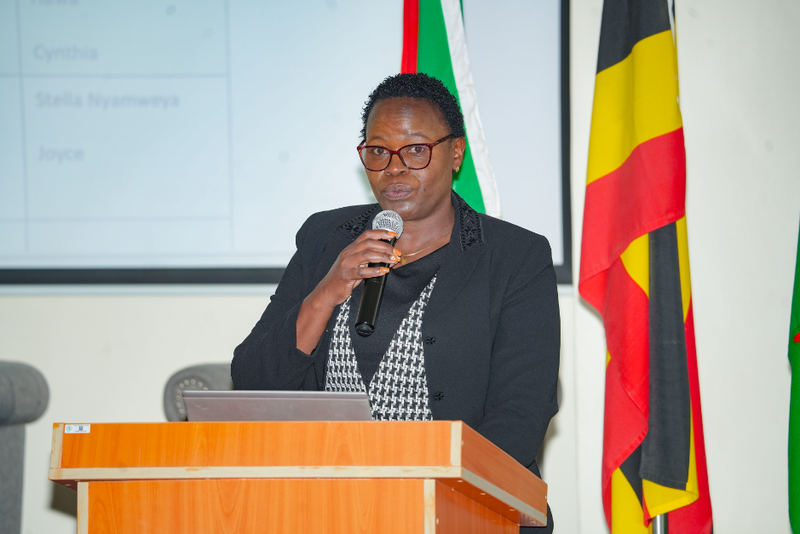
Through interactive presentations, practical exercises and peer learning, participants strengthened their capacity to mainstream GEDSI within NMHS policies, work plans, budgets and institutional processes. They developed climate information and early warning messages that are accessible, inclusive and responsive to the needs of diverse user groups. They also applied sex-, age- and disability-disaggregated data (SADDD) and gender analysis to strengthen evidence-based climate services and decision-making, and explored how to promote institutional change through leadership, planning and cross-sector collaboration.
A strong emphasis was placed on practical application. Participants reviewed existing climate information products through a GEDSI lens, developed practical tools for integrating inclusive data into climate services, and identified opportunities for strengthening institutional approaches to inclusive climate services within their respective NMHSs.
The workshop also featured a dedicated session facilitated by Save the Children on Youth and Child-Centred Early Warning Systems, which explored why children and youth are disproportionately affected by climate change, how climate services and early warning systems can better protect them, and practical examples of youth- and child-centred approaches that strengthen resilience and anticipatory action.
A key feature of the workshop was a collaborative session to shape the Regional Guidelines for Mainstreaming Gender Equality, Disability and Social Inclusion (GEDSI) in Climate Services, Early Warning Systems and Anticipatory Action in the IGAD Region. Participants drew on their operational experience to provide NMHS perspectives and recommendations that will inform the continued development of the Guidelines.
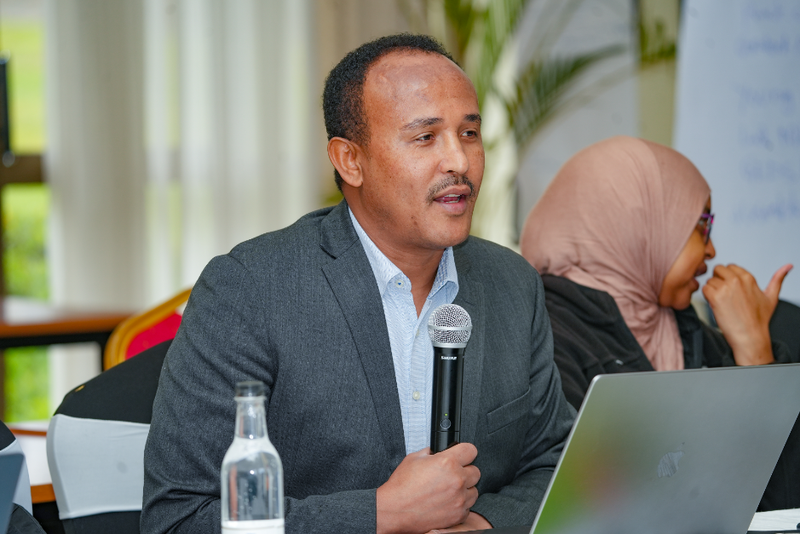
The workshop concluded with discussions on establishing a Regional Community of Practice for NMHS Gender Focal Points, providing a platform for continued collaboration, peer learning and knowledge exchange to advance inclusive climate services across the region.
Through the WISER PASS-EA Project, ICPAC continues to support Member States in strengthening people-centred, inclusive climate services and early warning systems that contribute to climate resilience and ensure that no one is left behind.