


IGAD Member States and Partners Strengthen Regional Preparedness Against Transboundary Pest Threats Amid El Niño Concerns
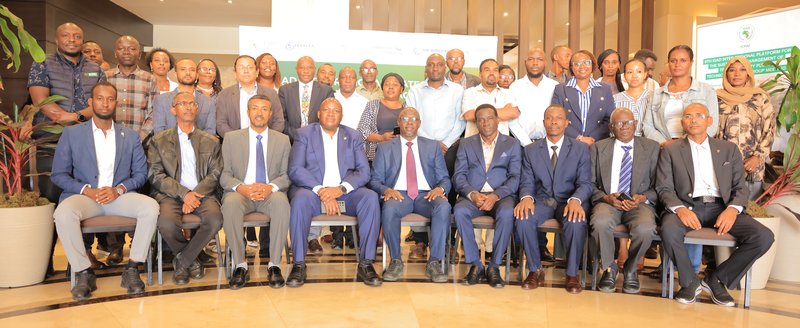
IGAD Climate Prediction and Applications Centre (ICPAC), successfully convened the 9th Steering Committee and Technical Working Group meetings of the Inter-Regional Platform for the Sustainable Management of Desert Locust and Other Transboundary Pests from 3–5 November 2026 in Nairobi, Kenya.
The three-day meeting brought together representatives from seven IGAD Member States alongside regional and international technical partners, including the Desert Locust Control Organization for Eastern Africa (DLCO-EA), the Food and Agriculture Organization of the United Nations (FAO), Centre for Agriculture and Bioscience International (CABI), CropLife Africa and Middle East and the Regional Centre for Mapping of Resources for Development (RCMRD).
The engagement focused on strengthening regional preparedness against emerging transboundary pest threats, particularly in light of anticipated El Niño-related conditions that could create favourable environments for pest breeding and population development in parts of the Greater Horn of Africa.
Member States Review Emerging Pest Threats
During the Technical Working Group sessions held on 3–4 November, Member States presented updates on the current transboundary pest situation, emerging hotspots, surveillance activities and national response capacities.
The regional assessment indicated that the Desert Locust situation remains generally calm across the reporting countries. However, Red-billed Quelea birds continue to pose a significant threat to agricultural production, with increasing infestations reported in Ethiopia, Kenya, Somalia and South Sudan, Sudan and Uganda. Fall Armyworm remains another major agricultural pest concern, particularly in Ethiopia and Somalia, where significant infestations have been reported in crop-producing areas.
The discussions highlighted the importance of maintaining surveillance and preparedness even during periods of relatively low Desert Locust activity, given the potential influence of seasonal rainfall, vegetation development and other environmental conditions on pest populations.
Countries Identify Critical Preparedness Gaps
As part of the technical discussions, Member States undertook a structured assessment of their preparedness and operational response capacities.
The technical working group assessed national capacities in surveillance, contingency planning, trained personnel, equipment, pesticide availability, information sharing and rapid response.
Although Member States reported progress in strengthening surveillance systems and technical capacities, the discussions identified several persistent challenges. These include inadequate financial resources, limited field equipment and logistics, shortages of technical personnel, contingency plans requiring updates, and delays in mobilizing resources for timely response.
Participants also noted the need to strengthen pesticide management, improve access to appropriate control options and enhance cross-border information-sharing arrangements.
The findings underscored the importance of moving beyond reactive pest control towards sustained preparedness, supported by clear contingency arrangements, functional early warning systems and coordinated regional action.
Steering Committee Discusses Regional Priorities and Support Requirements
On 5 November, the Steering Committee convened to review the findings and recommendations emerging from the two-day technical discussions and provide strategic guidance on priority regional interventions.
Discussions focused on strengthening institutional cooperation, mobilizing resources and enhancing coordination among Member States and regional partners to address the preparedness gaps identified.
The Technical Working Group presented recommendations calling for enhanced surveillance in priority breeding areas and emerging hotspots, strengthened national contingency planning, improved operational capacities and more timely cross-border information exchange.
A proposed Regional Preparedness and Response Action Matrix was also presented to guide the implementation of priority interventions, including institutional responsibilities, indicative timelines and monitoring arrangements.
The Steering Committee discussions emphasized the need for greater national ownership, coordinated partner support and sustainable investment in regional early warning and pest management systems.
Key Outcomes and Priority Actions
The meetings generated important technical findings and recommendations to guide regional preparedness and response.
The key outcomes included:
- Consolidated regional pest situation and preparedness assessment, providing an overview of current pest threats, emerging hotspots, national preparedness capacities and operational gaps across Member States.
- El Niño-related pest risk and preparedness brief, identifying potential climate-related pest risks and priority areas requiring enhanced surveillance and anticipatory action.
- Technical recommendations for strengthening regional preparedness, with emphasis on surveillance, contingency planning, early warning, operational capacity and cross-border coordination.
- Proposed Regional Preparedness and Response Action Matrix, outlining priority interventions, institutional responsibilities, indicative implementation timelines and support requirements.
- Strategic deliberations on resource mobilization and regional cooperation, identifying opportunities to strengthen institutional commitments, partner engagement and coordinated implementation of priority interventions.
Advancing a Coordinated Regional Response
Through the Inter-Regional Platform, IGAD will continue working with Member States, and technical partners to strengthen surveillance, facilitate information sharing, support resource mobilization and coordinate follow-up on agreed priorities.
The three-day engagement reinforced the importance of sustained regional collaboration in addressing transboundary pest threats and protecting agricultural production, food security and livelihoods across the Greater Horn of Africa.
By strengthening the link between climate early warning, national preparedness and coordinated regional action, IGAD and its partners aim to help Member States anticipate and respond to transboundary pest risks before they escalate into major emergencies.
The convening of these meetings was supported through the IGAD Food Systems Resilience Program (FSRP), as part of ongoing efforts to strengthen regional early warning systems, institutional coordination and preparedness for transboundary pest threats across the Greater Horn of Africa.